First Aid Kit Checklist: What Should Be in Your Kit?

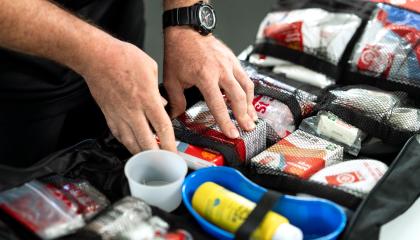
When did you last actually look inside your first aid kit? This World First Aid Day, St John Tasmania is asking Tasmanians to take five minutes to check they have the right supplies for the everyday injuries that can happen at home.

The avocado wins. Dinner fights back. A wasp chooses violence.

Cuts, burns, bites and stings have a habit of happening when we least expect them. And that is usually not the ideal moment to discover that the dressing you thought was in the first aid kit was used six months ago, the antiseptic has expired, or the only thing left in the box is a handful of Band-Aids.

Most of us understand the importance of having a first aid kit at home. But simply owning one does not necessarily mean you are prepared.

Different injuries need different first aid responses and different supplies.

So, for World First Aid Day, we have a simple challenge for Tasmanians: find your first aid kit, open it up and give it five minutes.

Here are some of the things worth looking for.

Cuts and grazes

From a slip of the kitchen knife to a scraped knee, cuts and grazes are probably among the most common reasons we reach for the first aid kit.

For a small wound, you may only need basic wound care. But not every cut can be fixed with an adhesive strip.

Check your kit for:

  • disposable gloves
  • sterile gauze
  • sterile wound dressings
  • adhesive wound strips
  • antiseptic
  • saline
  • roller or conforming bandages

Gloves help protect both the person providing first aid and the person who is injured. Sterile gauze and dressings allow you to cover and protect wounds, while different sizes of dressings mean you are prepared for more than a tiny cut.

It is also worth checking how many you actually have. Dressings and adhesive strips are exactly the sort of things that get taken from the kit, used and never replaced.

For significant bleeding, first aid priorities change. Apply firm, direct pressure to the wound and seek urgent medical assistance when required.

Five-minute check: Have you got more than a few Band-Aids left?
st john trainer teaching how to bandage

Sprains, strains and bumps

Not every first aid incident involves blood.

A rolled ankle, sporting mishap or enthusiastic encounter with the edge of the coffee table can also have you reaching for the first aid kit.

Check your kit for:

  • instant cold packs
  • appropriate bandages
  • disposable gloves

Instant cold packs are particularly useful because they do not need to be kept in the freezer, making them practical for the home, car, workplace or when you are away from home.

More significant injuries, severe pain, deformity or an inability to use the injured limb may require medical assessment.

Five-minute check: Is your instant cold pack still there, or did somebody use it after the last mishap?

Burns

Burns are a particularly good example of why knowing what to do is just as important as having the right supplies.

For a thermal burn, the immediate first aid treatment is to cool the burn under cool running water for at least 20 minutes.

That comes first.

Once appropriately cooled, a burn may need to be covered and protected. This is where having the right type of dressing matters. A dressing that adheres to the injured skin is not what you want to discover is your only option.

Check your kit for:

  • sterile non-adherent dressings
  • appropriate bandages to secure a dressing
  • disposable gloves
  • scissors

Depending on your kit, you may also have specific burn-care products. However, these should not replace the initial cooling of a thermal burn with cool running water.

Larger, deeper or serious burns require medical attention.

Five-minute check: Do you have a non-adherent dressing, or just ordinary adhesive dressings?
Person being bandaged in the bush

Bites and stings

Tasmania's great outdoors comes with the occasional creature that would prefer we left it alone.

For many minor insect bites and stings, a cold pack can be useful for managing pain and swelling. But bites and stings are also a good example of why a first aid kit needs to be equipped for more serious emergencies.

Check your kit for:

  • an instant cold pack
  • broad elasticised or compression bandages
  • disposable gloves

A suspected snake bite requires a very different response from a minor insect sting. Pressure immobilisation may be required, which means having an appropriate bandage available and, importantly, knowing how to use it.

A suspected snake bite is a medical emergency. Keep the person still, call Triple Zero (000) and provide appropriate first aid.

Serious allergic reactions can also occur following bites and stings. If someone shows signs of anaphylaxis, this is a medical emergency requiring immediate action.

Five-minute check: Got a cold pack? What about an appropriate compression bandage?

Your five-minute first aid kit check

You do not need to reorganise the bathroom cupboard or conduct a full household safety audit.

Give yourself five minutes.

  1. Used something? Replace it.

  2. Expired? Replace it.

  3. Packaging damaged? Replace it.

  4. Missing something? Restock it.

  5. Don't know where the kit is? Find it.

And if you open the box and discover that your entire household first aid strategy consists of three Band-Aids, some cotton wool and a tube of something nobody remembers buying, it might be time for a new kit.


Be ready with St John Tasmania

Having the right first aid supplies matters. Knowing how and when to use them matters even more.

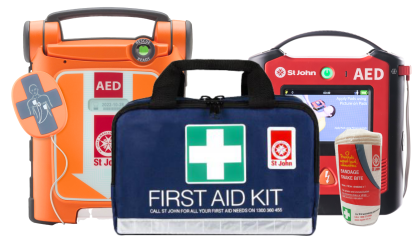
St John Tasmania can help you be prepared at home, at work and in the community, with a range of first aid kits, first aid kit refills and individual first aid supplies available across Tasmania.

Whether you need to replace a few used or expired items, restock a workplace first aid kit, or find the right first aid kit for your home, car or business, you can shop online or visit St John Tasmania in Hobart, Launceston and Devonport.

And if you're not confident you'd know what to do when you open your kit, make first aid training your next step.

St John Tasmania delivers nationally recognised first aid and CPR courses in Hobart, Launceston and Devonport, helping Tasmanians build the practical skills and confidence to respond when someone is injured or becomes unwell.

This World First Aid Day, start with five minutes.

Find your first aid kit. Open it. Check it. Replace what's missing.