
Shocktober: what every Tasmanian should know about cardiac arrest, CPR and AEDs

October is Shocktober, a month focused on sudden cardiac arrest and the simple actions that can help save a life.

For St John Ambulance Tasmania, the message is straightforward: cardiac arrest can happen anywhere, and being prepared matters.

More than 32,000 out-of-hospital cardiac arrests occur in Australia each year, and around 80% happen at home. When CPR is started and an AED is used within the first three to five minutes, reported survival rates can increase to around 60–70%*.

Yet confidence remains a barrier. In the Heart Foundation’s 2025 State of the Heart Survey, 39% of Australians said they were “not at all confident” using an AED in a cardiac arrest.

That is one of the things we want to change this Shocktober.
*Heart Foundation

Cardiac arrest and heart attack are not the same thing

The terms are often used interchangeably, but they describe different medical emergencies.

A heart attack happens when blood flow to part of the heart muscle becomes blocked or reduced. The heart will usually continue beating, and the person is often conscious.

A cardiac arrest is an electrical problem in which the heart suddenly stops beating effectively. The person will be unresponsive and will not be breathing normally. A heart attack can sometimes lead to cardiac arrest.

Both are medical emergencies. Call Triple Zero (000) immediately.

Would you recognise a cardiac arrest?

Someone experiencing cardiac arrest will generally:

  • be unconscious and unresponsive
  • not be breathing normally, or not breathing at all

Abnormal gasping or irregular breathing can sometimes be mistaken for normal breathing, which is why recognising cardiac arrest quickly matters.

If you think someone is in cardiac arrest, remember:

Call. Push. Shock.

Call Triple Zero (000).

Push hard and fast in the centre of the chest. The Heart Foundation recommends chest compressions at around 100–120 per minute.

Shock using an automated external defibrillator (AED) as soon as one is available. 

The Triple Zero call-taker can guide you through what to do while help is on the way.

xfnm

You do not need to be an expert to use an AED

One of the biggest barriers to AED use is fear of doing something wrong.

Modern AEDs are designed to guide the user through the process with simple step-by-step prompts. The device analyses the person’s heart rhythm and will only deliver a shock when a shockable rhythm is detected. 

So two common myths are worth clearing up:

“I might accidentally shock someone.”
An AED determines whether a shock is required before allowing one to be delivered. 

“I need to be trained before I can use one.”
AEDs are designed so members of the public can use them in an emergency. Training is valuable because it builds confidence, but it is not a prerequisite for using an AED.

Most cardiac arrests happen at home

AEDs are often associated with workplaces, shopping centres, airports and sporting facilities. But around 80% of out-of-hospital cardiac arrests happen at home. That is a useful reminder to think beyond the workplace and find  where the closest AED is to you.

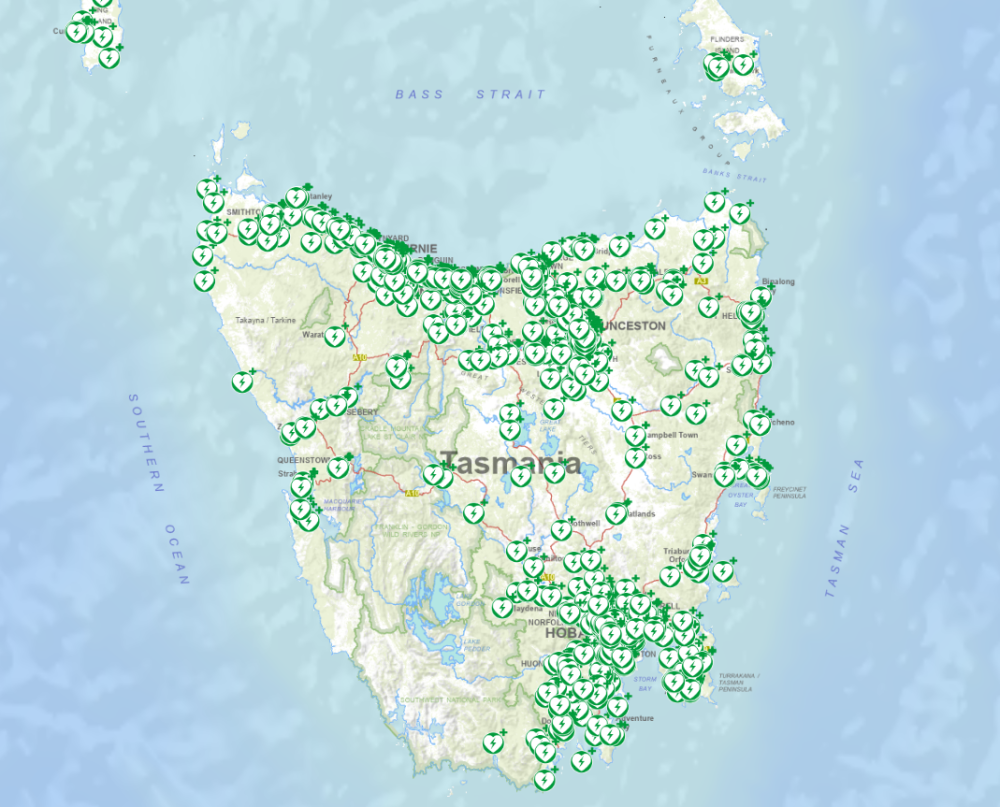
You can find out where all publicly available AEDS are via The List, or the Good SAM app.

Map of publicly available AED's in Tasmania
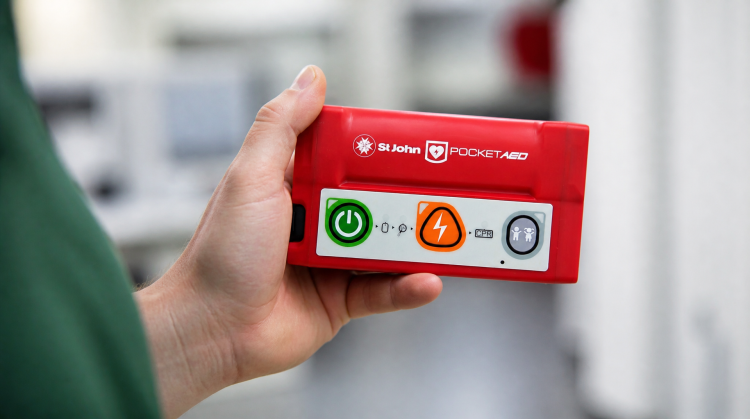
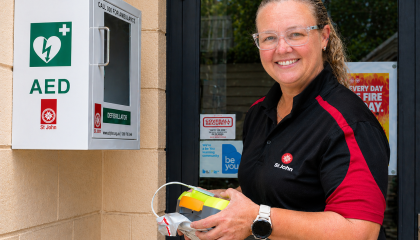
Person holding the new St John Pocket AED

What if the nearest AED is not nearby?

Traditional public-access AEDs are important, but not every emergency happens close to a wall-mounted defibrillator.

That is where portability can matter.

The St John Pocket AED is about the size of a soft-drink can and weighs less than 700 grams, making it small enough to carry in a backpack, handbag, glove box or first aid kit. It is designed for people travelling, working remotely or on the move, and for activities where a conventional fixed AED may not be close at hand.

Shocktober AED offer

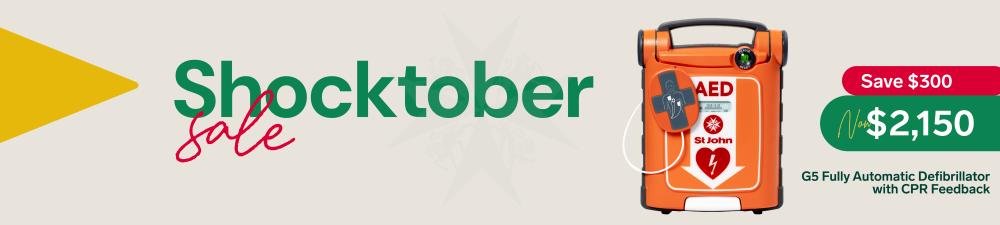
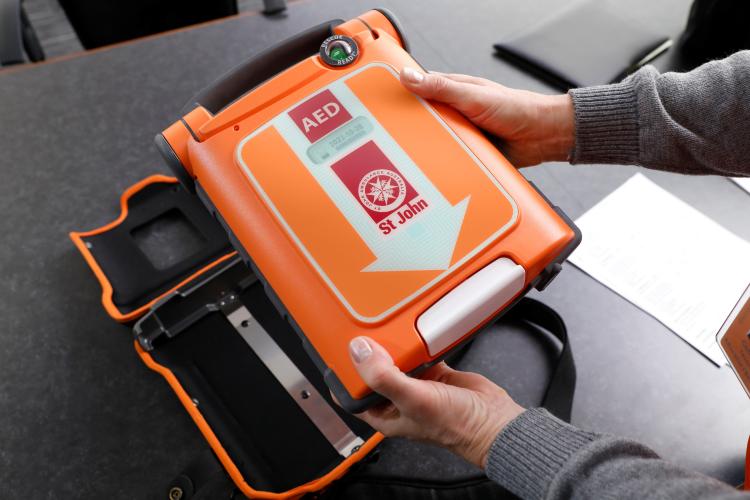
If you are reviewing your workplace, community or home preparedness this month, St John Tasmania is also offering $300 off the Powerheart G5 AED during Shocktober, bringing the price to $2,150.

Shop the Shocktober Sale Online


A picture of a g5 aed advertising a sale