What first aid course do I need?

What first aid course do I need?

If you're looking at first aid courses and wondering which one you actually need, you're not alone. With different course codes, workplace requirements and refresher recommendations, choosing the right first aid training can be confusing.

For most people, the choice comes down to two nationally recognised courses: HLTAID009 Provide cardiopulmonary resuscitation and HLTAID011 Provide First Aid. Some industries and occupations may require additional or specialised training.

Here's how to work out which first aid course is right for you.

What is the difference between CPR and Provide First Aid?

The main difference is the range of emergencies covered.

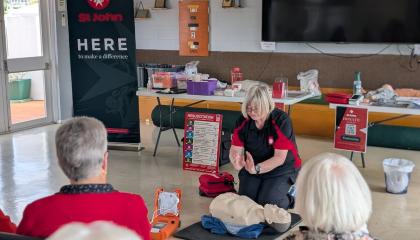
HLTAID009 Provide cardiopulmonary resuscitation (CPR) focuses specifically on recognising and responding to cardiac arrest. It includes performing CPR and using an automated external defibrillator (AED).

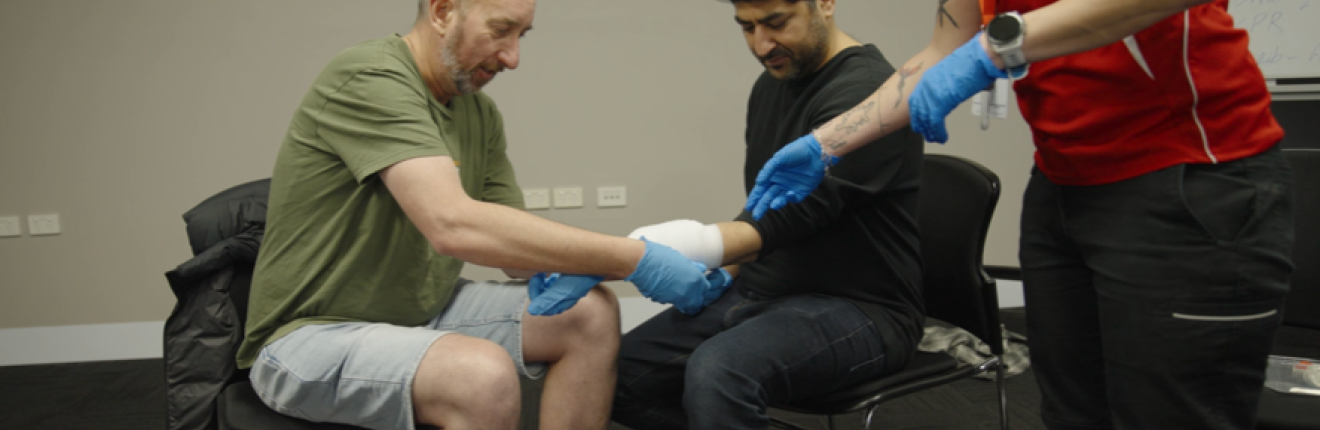
HLTAID011 Provide First Aid is more comprehensive. It includes CPR as well as responding to a range of common injuries and medical emergencies.

If you complete Provide First Aid, you don't generally need to book a separate CPR course at the same time because CPR is included in the training.

However, the recommended renewal periods are different. CPR training is generally recommended every 12 months, while Provide First Aid is generally renewed every three years.

Which first aid course do I need for work?

This depends on your workplace, your role and the risks associated with the work you do.

For many workplaces, HLTAID011 Provide First Aid is the standard qualification used for designated workplace first aiders.

Your employer may require you to hold a particular first aid qualification, so if you're completing training for work, check your organisation's requirements before booking.

Some industries have additional requirements.

For example, people working in education and care settings may require HLTAID012 Provide First Aid in an education and care setting, which includes first aid responses relevant to children and infants.

Higher-risk, remote or specialised workplaces may also need training beyond a standard Provide First Aid course.

What if I've never done first aid training before?

You don't need previous first aid experience to get started.

First aid courses are designed to give participants the knowledge and practical skills to recognise an emergency, provide an appropriate first aid response and seek further help when required.

For someone wanting broad, practical first aid skills for work or everyday life, Provide First Aid is generally a good place to start.

What if I just want first aid skills for home or everyday life?

You don't need to be a designated workplace first aider to benefit from first aid training.

Emergencies can happen at home, while travelling, playing sport or spending time with family and friends. Learning CPR and first aid can give you the skills and confidence to respond while professional help is on the way.

If you want comprehensive general first aid skills, Provide First Aid is usually the better option. If your main priority is knowing how to respond to cardiac arrest and perform CPR, a CPR course may be sufficient.

How often do I need to renew my first aid training?

The Australian Resuscitation Council recommends refreshing CPR skills at least annually.

For workplace first aiders, the First aid in the workplace Code of Practice recommends renewing first aid qualifications every three years and CPR training annually.

Your workplace or industry may have additional requirements, so always check the rules that apply to your role.

Can St John Tasmania provide first aid training for my workplace?

Yes. St John Tasmania can provide first aid training for individuals as well as businesses and organisations.

Courses are available at St John Tasmania training locations in Hobart, Launceston and Devonport, with training also available in selected regional locations.

Businesses can also arrange onsite first aid training, allowing employees to complete training together at their workplace.